
Franchise Agreement Negotiation Tips

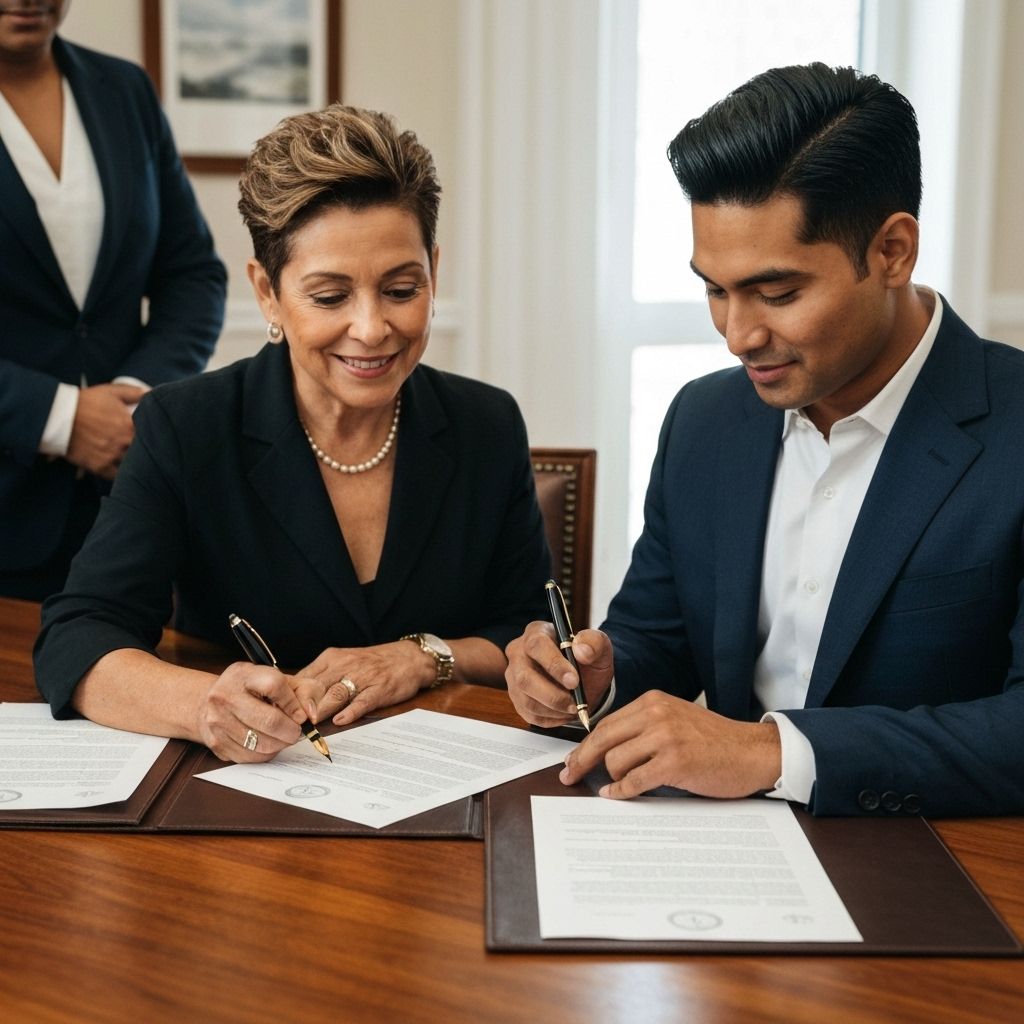
Many prospective franchisees believe franchise agreements are non-negotiable. While it's true that franchisors want consistency across their system, there's often more room for negotiation than you think—if you know what to ask for and how to ask.
The Myth of the "Standard" Franchise Agreement
Franchisors often claim their agreement is "standard" and "non-negotiable." However, they regularly negotiate terms, especially with experienced franchisees or multi-unit operators. Market conditions also influence negotiating leverage. Remember, everything is negotiable until you sign; after that, you're locked in for the term of the agreement (typically 10-20 years).
When You Have the Most Leverage
Your negotiating power is strongest when you're an experienced operator, buying multiple units, entering a new market for the franchisor, the franchisor is new or growing, you have strong financials, or market conditions favor buyers.
What's Typically Negotiable
1. Initial Franchise Fee
The standard fee ranges from $20,000-$50,000. Negotiate discounts for multiple units (e.g., 50% off for units 2+), reduced fees for experienced operators, waived fees for existing business conversions, or deferred payment terms. Frame requests around your commitment: "I'm committed to opening three locations; can we discuss a reduced franchise fee for units two and three?"
2. Territory Size and Exclusivity
Negotiate for a larger exclusive territory, a right of first refusal for adjacent territories, protection from online sales in your territory, and a minimum distance between locations. Ask: "The standard territory is a 3-mile radius. Given my market's density, can we expand that to 5 miles?"
3. Development Schedule
Negotiate for more time to open your first location, flexible development schedules for multi-unit agreements, or the ability to pause development during economic downturns. Ask: "The standard schedule requires opening within 6 months. Can we extend that to 12 months due to permitting delays in my market?"
4. Renewal Terms
Secure guaranteed renewal rights (vs. franchisor discretion), reduced or waived renewal fees, grandfathering of current terms (vs. signing a new agreement with different terms), and longer renewal terms. Ask: "Can we guarantee renewal as long as I'm in good standing, without signing a new agreement with different terms?"
5. Transfer and Exit Rights
Negotiate for reduced transfer fees, a broader definition of acceptable buyers, the right to sell to competitors (if applicable), or a reduced or eliminated right of first refusal. Ask: "Can we reduce the transfer fee from $10,000, or waive it if I sell to another franchisee in the system?"
6. Marketing and Advertising
Negotiate for reduced marketing fund contributions, local advertising flexibility, a seat on the marketing advisory council, or transparency in how marketing funds are spent. Ask: "Can we cap the marketing fund contribution at 2% of gross sales for the first two years?"
7. Sourcing and Purchasing
Negotiate the ability to suggest alternative suppliers, transparency on franchisor rebates, flexibility on certain products/services, or volume discounts for multi-unit operators. Ask: "I have a relationship with a local supplier for [product] at a lower cost. Can we allow alternative suppliers if they meet your quality standards?"
8. Training and Support
Negotiate for additional training for you or your staff, ongoing support commitments, a dedicated support representative, or technology and systems support. Ask: "Can we include a provision for quarterly business reviews with a dedicated franchise business consultant?"
What's Typically NOT Negotiable
Core terms like royalty rates, operating standards, trademark usage, reporting requirements, audit rights, and dispute resolution methods are usually fixed to ensure system consistency.
Negotiation Strategies That Work
- Do Your Homework: Research terms negotiated by others, industry standards, the franchisor's goals, and market conditions.
- Build Rapport: Don't lead with demands. Build a relationship, show interest, demonstrate qualifications, and find common ground.
- Frame Requests as Win-Win: Explain how your requests benefit both parties.
- Use Objective Standards: Support requests with data and industry norms.
- Prioritize Your Requests: Focus on your top 3-5 essential terms.
- Be Willing to Walk Away: Have alternatives and set your walk-away terms in advance.
Common Negotiation Mistakes
Avoid not negotiating at all, negotiating too aggressively, focusing only on price, not getting changes in writing, and negotiating without professional help.
Special Situations
Multi-Unit Agreements: Leverage your commitment for reduced fees, larger territories, flexible schedules, and better terms. Conversion Franchises: Negotiate waived fees, grandfathered terms, and phased implementation. Master Franchise/Area Development: Secure significant fee reductions, revenue sharing, and operational flexibility.
The Negotiation Process
Review documents, consult an attorney, talk to existing franchisees, prepare requests, schedule a meeting, present requests, listen and respond, get everything in writing, and have your attorney review the final agreement.
Sample Negotiation Scripts
Use scripts for opening conversations ("I'm excited about this opportunity and want to discuss a few important terms"), making requests ("Given [reasons], I'd like to discuss expanding the territory to [Y]"), responding to "no" ("I understand that's standard. Can you help me understand why? Is there any flexibility?"), and proposing compromises ("What if we structured it as [alternative approach]?").
Red Flags During Negotiation
Be wary of franchisors who refuse to negotiate, won't put promises in writing, pressure you to sign quickly, become hostile, or make unrealistic promises.
Get Professional Help
Negotiating franchise agreements is complex. Paralex offers Franchise Agreement Review ($750), Negotiation Strategy ($350), and Full Negotiation Support ($2,000). Our experienced franchise attorneys help multi-unit operators negotiate better terms and avoid costly mistakes.